
Life After CEO
We often talk about career progression as a linear journey that progresses from more responsibility to more visibility and then more influence.
We often talk about career progression as a linear journey that progresses from more responsibility to more visibility and then more influence.
What happens when that journey pauses or ends?
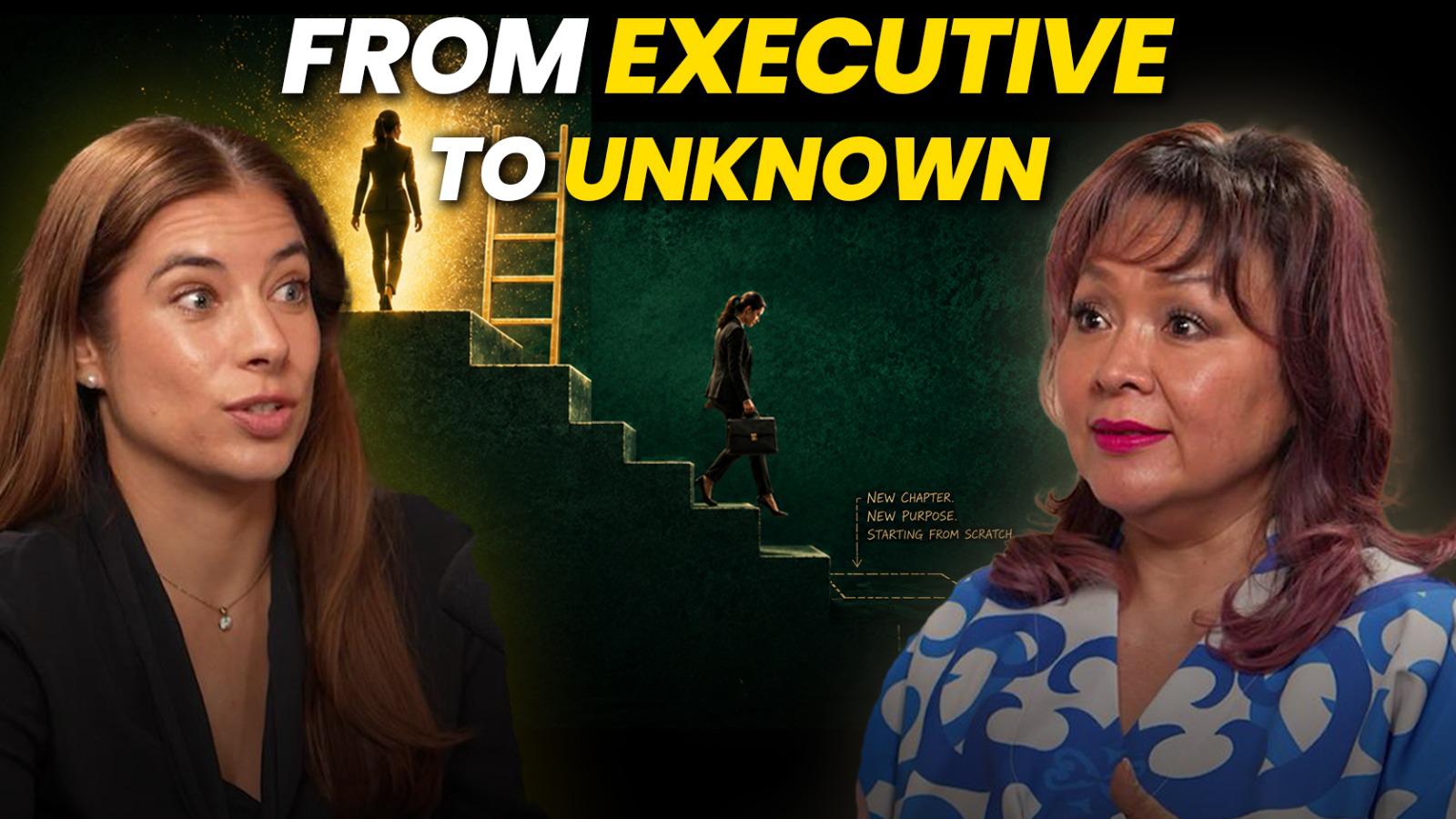
In the second edition of The Experience Exchange Podcast, James W. Keyes offers a candid view of life after CEO.
“When you step away from that kind of strength of identity, you do go through a bit of a withdrawal… you begin to question your value now. I’m not important anymore. I’m not needed anymore.”
For many executives, identity and role become tightly intertwined over decades. Titles carry weight both externally and internally. They shape how others see you, and how you see yourself.
Then, that structure disappears, and you’ve got to confront the uncomfortable reality of it.
“The hardest part is when someone says, ‘What do you do?’ You don’t know what to answer… You don’t want to say ‘nothing,’ but that’s the reality. You’re in between.”
That “in between” space is not failure, it’s not even retirement in the traditional sense, but a period where the usual markers of progress no longer apply.
James became incredibly deliberate during that phase. Rather than rushing into the next role, he used the time to reframe his identity.
“I came to the conclusion that the job is not me… my identity wasn’t 7-Eleven. My identity was a successful business person, and all the other things I did.”
Making that distinction for yourself is so important. Without it, every new role becomes a risk to your sense of self. With it, you gain perspective.
It also changes how you approach the next chapter. James wasn’t looking for another title. He was looking for another opportunity, and hopefully one that aligned with how he wanted to spend his time and energy.
This mindset moves the conversation from:
“What role should I take next?”
To:
“What do I actually want to build, contribute to, or explore?”
Most professionals, at some stage, face a version of this transition. It might come through redundancy, burnout, or the decision to step away from a long-held role, but when it does, the same questions surface.
Who am I without this job? What do I say when someone asks what I do? What’s actually important now?
James’ advice is:
“Your identity has nothing to do with this company… Don’t be wrapped up in your past. We’ve got a tendency as humans to look in the rearview mirror. It’s much better looking out the front.”
Experience doesn’t disappear when a role ends. If anything, it becomes more valuable because you now have the freedom to apply it differently.
This conversation reinforced the idea that the second act of a career shouldn’t aim to replicate the first. The focus should be on redefining success on your own terms.
If you’ve ever gone through a transition like this, or are approaching one, I’d love to hear your perspective. Give the episode a listen, and let me know which part of your second-act transition was the hardest to navigate.
Subscribe and listen to The Experience Exchange podcast on Youtube.