
The Truth About Networking After Corporate
When people think about networking, they often imagine awkward conversations, collecting business cards or trying to sell themselves to strangers.
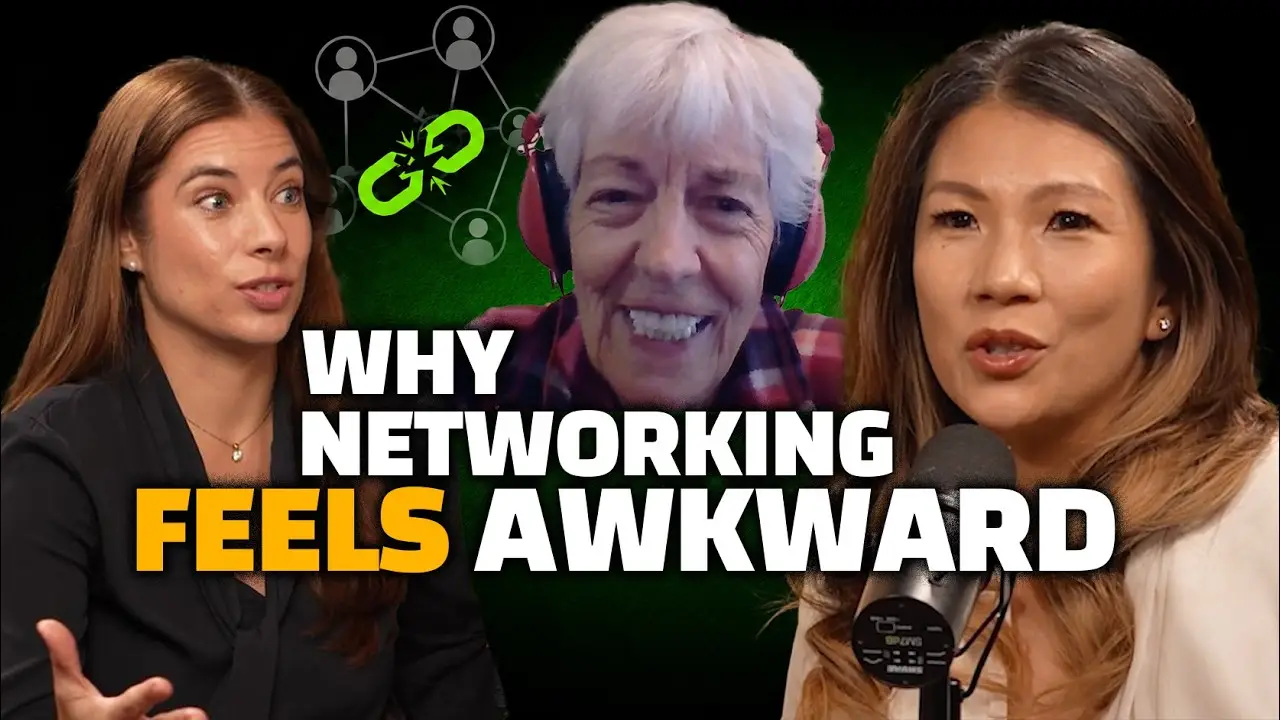
When people think about networking, they often imagine awkward conversations, collecting business cards or trying to sell themselves to strangers.
I don’t think that’s why most Second Act professionals struggle. The true challenge we face is that, after decades in corporate life, many of us assume we’ve already built the network we’ll need. The reality is often quite different.
One of the most interesting moments in this conversation comes when Felicia describes the difference between relationships built around your role and relationships built around you.
On the surface, they can look identical. People know you, they take your calls, and they invite you to meetings. But when the title disappears, you discover which relationships were actually tied to the institution and which were built on genuine trust.
That doesn’t make those relationships any less valuable. It just means they serve a different purpose.
Another idea that really stands out is Judy’s explanation of weak links. Instinctively, we tend to rely on the people we’ve known the longest… but research suggests something different.
The people who often create the biggest opportunities are those on the edges of our network. They’re the people who know us just well enough to understand what we’re building, but not so well that they still see us only through the lens of our previous career.
Your next opportunity may not come from your closest contacts, but rather through someone you’ve only recently met.
This conversation also challenges the idea that networking is somehow manipulative. Judy shares a simple framework that completely changes the dynamic.
Instead of asking, “What can this person do for me?”, she encourages us to begin in a far more generous and authentic way, building relationships that feel much more aligned with how experienced professionals naturally like to work.
They also explore something I think many people experience during a second act. If you’ve spent thirty or forty years being introduced by a company name or job title, how do you introduce yourself when that’s no longer your identity?
Perhaps my biggest takeaway from this conversation is that networking in a second act is about building the right relationships for where you’re going, not where you’ve been.
If you’re thinking about your own second act, this episode is full of practical ideas that challenge conventional thinking about networking. Pippa, July and Felicia explore why your strongest connections aren’t always your most valuable ones, how to build meaningful relationships without feeling transactional, and what it really takes to create a network that supports the next chapter of your career.
Subscribe and listen to the Podcast here.