
What Gen Z Can Teach Us About Personal Branding
I’ve noticed a skills gap among Second Acters.
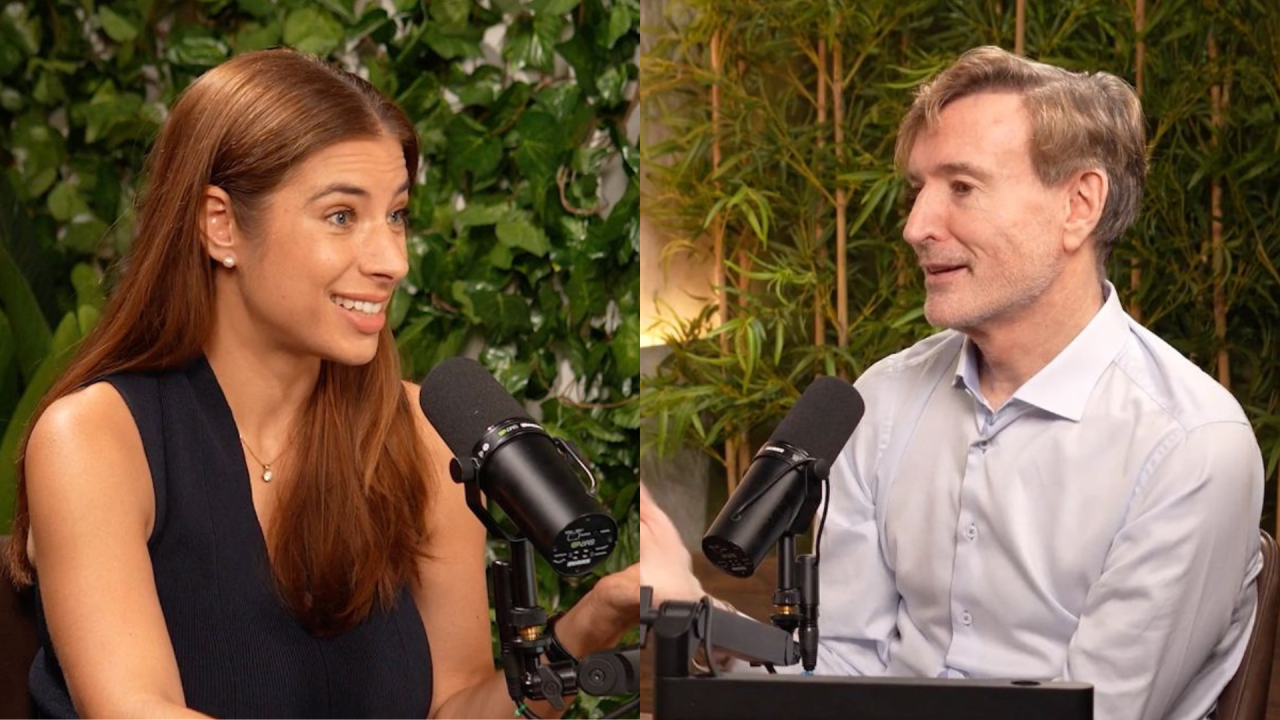
After speaking with several people, I’ve noticed that they’re more than happy to have said goodbye to the endless meetings, corporate politics, emails and late-night phone calls. Yet a surprising number tell me they’re still feeling pressure to be visible online.
For professionals who spent decades building successful careers, this can feel surprisingly uncomfortable. And it highlights an interesting reversal taking place in today’s workplace.
When experience isn’t enough
For years, the conversation about generational differences at work has centred on experience. Younger professionals often worry that they lack the years of judgement, context and practical knowledge that more experienced colleagues possess.
That’s a valid concern. Experience is important. It helps us navigate uncertainty, make better decisions and recognise patterns that aren’t obvious.
One area where the younger generation often has the advantage is social media.
Many Gen Z professionals have grown up sharing ideas, opinions and experiences online. Communicating publicly is second nature to them. They understand the mechanics of platforms, the rules of online engagement and how to build a digital presence.
For many professionals in their 50s and 60s, the experience has been very different.
The corporate career paradox
Ironically, corporate life often makes this challenge harder because, in large organisations, employees are frequently restricted in what they can say publicly.
For much of my time in corporate environments, social media activity was guided by policy and content was limited to sharing approved corporate messaging. While there are good reasons for this, they don’t help individuals develop their own voice.
As a result, many accomplished professionals reach retirement or career transition having spent decades building expertise, relationships and leadership capability, yet never having had to build a personal brand.
Now they find themselves entering a world where people are encouraged to do exactly that. So, it’s not surprising that they feel uncertain about where to begin.
People buy from people
One of the most common themes that emerges whenever I discuss personal branding is the idea that people buy from people.
Whether you’re looking for consulting opportunities, board positions, coaching clients, business partnerships or even your next role, people want to understand who you are before they decide whether they want to work with you.
Personal branding is important because people need a way to understand your experience, values, interests and perspective. Social media is one of the tools that allows you to communicate that.
Don’t start with worrying about what to post
Many people aren’t sure where to start or what they should be posting.
I think the best way to start is by asking yourself: “What do I want to be known for?”
What topics matter to you? What lessons have you learned throughout your career? What perspectives can you share that others may find useful? What kind of opportunities are you hoping to create in this next phase of life?
The answers to those questions form the foundation of your personal brand, and content comes afterwards.
A second act requires visibility
For many people, a successful second act requires making their expertise visible.
That doesn’t have to mean posting every day or sharing every detail of your life, but being comfortable contributing to conversations and sharing ideas certainly helps.
It can feel daunting at first. It did for me, too. But like any skill, it improves with practice.
The younger generation has a head start when it comes to social media. The older generation brings decades of experience, perspective and wisdom. Both can learn from one another.
In a world increasingly influenced by technology and AI, authentic human experience remains one of the most valuable assets we have, and it’s worth sharing.
There’ll be more on this in our upcoming podcast episodes, so stay tuned for that.